In 2011, before “roguelike” became a buzzword, The Binding of Isaac launched. Its creator, Edmund McMillen, didn’t expect much. After Super Meat Boy, he wanted to work on his dream project, Mewgenics. To prepare, he and a colleague created Isaac in just three months. The result became a cult hit, with millions of players investing hundreds of hours, especially thanks to major expansions.
For years, McMillen dreamed of returning to Mewgenics. At first, it seemed impossible — the project lacked support, and no one else believed in it. But six years ago, he returned to it, calling it his most ambitious game. Now complete, Mewgenics blends XCOM, Into the Breach, Animal Crossing, Pokémon, Rogue Legacy, and more — a huge, replayable game with weeks or months of content. Whether you’re logging into a game for hours of strategy or just quickly checking your progress, like when you Revery Play Casino login to claim rewards, Mewgenics rewards careful planning and thoughtful decisions at every turn.
Adventurous Cats
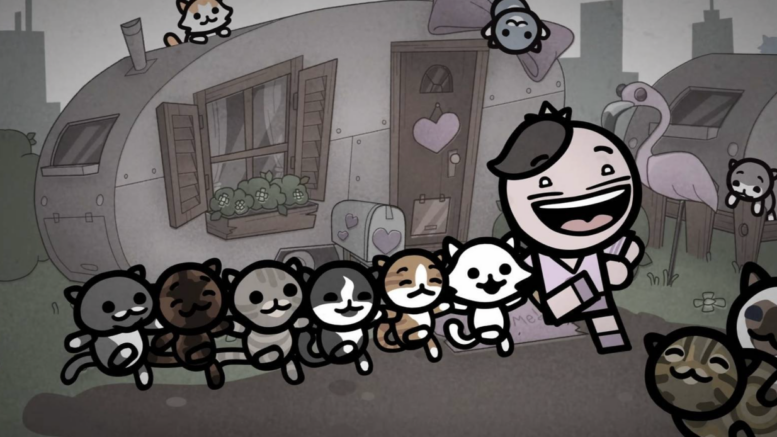
In Mewgenics, players manage a house full of cats. These cats go on expeditions to collect resources like food. Cats that survive a journey retire — a crown appears on their heads, and they roam the house, interact with furniture, and mate to produce the next generation.
This is just a glimpse of the game. The depth of mechanics is enormous, so McMillen created a full tutorial. At first, players don’t even see the house. Instead, they choose two cats and embark on a journey into a dark alley. The path includes several stages: battles (including bosses), random events, chests, and shops. Completing the first boss unlocks an alternative, more rewarding path.
Hard mode increases rewards and experience but also brings tougher enemies — losing an entire squad is possible.
Tactical Combat
Combat is turn-based on a grid, with turn order displayed on the screen. Cats can move, attack, or use special moves if they have enough mana. Each arena is unique, with random hazards like poisonous puddles, thorns, bricks, tall grass, and spreading fire. Players must constantly adapt to the battlefield.
Enemies vary greatly: some dash across the map, some attack from a distance, and others burrow or throw hazards. Every encounter forces players to rethink strategies. The interface is user-friendly: when selecting a move, the game shows which enemies are in range, and hovering over a participant shows their stats and effects like “poison” or “rage.” Tactical view helps clarify positions when units crowd the same cells.
Between Battles
Random events affect the cats or the squad as a whole. Fires can burn tiles during combat, or players may need to choose actions: eat, break objects, charm NPCs, or run. Success depends on the cat’s stats, and outcomes can vary — a cat may gain a healing item, a companion, a mutation, or even get injured.
After battles, cats level up, unlocking four new abilities or passives. Options include single-target attacks, area effects, buffs, or debuffs. Players choose based on strategy — for example, one cat may remove negative effects, while another gains stronger attacks but lower defence. The combinations are vast, and even McMillen finds new possibilities every day.
Fateful Collars and Custom Builds
When sending cats on adventures, you assign each a collar that sets their starting stats and type of attack — some fight in close combat, others throw projectiles. Once collars are chosen, the game randomly grants one active and one passive ability per cat, creating a foundation for future skill growth as they level up.
Leveling up lets you pick class-specific or universal abilities. Early collars strongly shape a cat: a fighter gains strength but loses intelligence, limiting mana for special moves, while a mage has high intelligence but weaker attacks. More classes unlock as you progress. McMillen’s favourite is the thief, capable of teleporting behind enemies, inflicting poison and bleed, then retreating safely.
Even if a cat seems weak, items can compensate. You collect them during expeditions, buy them in shops, or bring them along on raids. Items include helmets, weapons, consumables, and first aid kits, but they can break — there’s a 50% chance fragile items fail during adventures. Most gear can be swapped between cats, though some parasitic items permanently stick to one.
Randomness is central: abilities, enemies, arenas, and equipment vary every run. Each playthrough becomes a unique story — one strong fighter may repeatedly suffer permanent damage, forcing you to adapt tactics. A lucky item can entirely change a situation, turning near-defeat into victory.
Progression also unlocks new regions gradually. Early areas like alleys must be cleared before accessing dumps or sewers, and each new location introduces tougher enemies, new items, and unexpected challenges. Even mundane chests may hide valuable treasures — or surprises in toilets.
Long runs can span three or more regions, and careful management of your cats is essential. Once the first five areas are explored, the game’s depth expands exponentially — new challenges, enemies, and items make it clear that Mewgenics delivers hundreds of hours of gameplay, just as McMillen promised.
Cat House and Breeding
A lot of time in Mewgenics is spent not just on adventures, but at home, managing your cats. Nothing happens until you end the day — after that, the cats may do nothing, fight, or start mating. If two cats fall in love, they immediately produce a kitten, which grows up by the next day and is ready to leave the house.
Kittens can inherit active and passive skills from their parents, opening possibilities for hybrid classes. For example, mage parents might pass on a unique ability, but their offspring could wear a tank collar and use it differently — sometimes aided by items brought home by other cats. Negative traits can also be inherited, adding unpredictable twists. McMillen’s signature dark humour and chaos are on full display here.
Cats don’t always cooperate peacefully. Sometimes they fight, breaking each other’s paws or lowering health and strength stats, and occasionally a cat may die. To reduce risks, it’s wise to place valuable cats in separate rooms. Early on, your options are limited — just the main room and, soon after, the attic. Additional rooms and bonuses unlock later, often by giving cats to story characters, a system that can feel restrictive but adds strategic depth.
Parting with cats is hard, not just emotionally, but because they’re a valuable resource. Various characters require sacrifices: some want old cats, others need cats that have visited certain regions, some prefer crippled cats, and others want kittens. By the second stage, demands may reach 10 or even 25 cats, which can be challenging when your squad has valuable abilities you want to pass on.
The effort is worthwhile. Some recipients are highly useful: one character can save items from a failed expedition if all your cats die, while another sells decor and furniture for your house. Your base has stats that influence cat behaviour: higher attractiveness attracts better stray cats, improves mood, reduces fights, and encourages mating. More rooms make it easier to manage cats, kittens, and their activities — but decorating and expanding isn’t cheap.
The Long Road
Mewgenics is far from a simple pick-up-and-play game like The Binding of Isaac. You can grab four random cats, assign random collars, and head out unprepared, but that strategy won’t take you far. For example, a fighter’s collar only gives a single speed point — affecting how far a cat can move in battle. Giving it to a frail, slow-born cat that already has injuries from home fights can make expeditions unnecessarily difficult. A more suitable pet, like an archer, would have been a better choice.
At the end of each journey, a cat’s abilities can be upgraded, and the same careful consideration applies to breeding. You’ll spend time studying your cats, improving the house, and sometimes parting with pets that don’t fit your strategy. After the first five regions, you’ll need to pay even closer attention to cat quality and the items in your inventory — exploring with empty pockets is rarely wise.
The longer you play, the more you appreciate how methodically the game expects you to plan. Poor class choices or careless handling of your cats can have immediate consequences. An unlucky move in the arena may cost you a turn, or you might end up standing directly under a boss’s attack. Straying from the main path can be risky: in one run, I lost an entire team of melee specialists when ferocious sharks instantly destroyed anyone who approached them. Painful, but memorable.
Bosses are a highlight. While the text doesn’t reveal much, every encounter is like a puzzle — each boss has unique abilities that keep battles fresh and engaging. McMillen deliberately avoided the repetitive boss fights seen in the original Isaac.
The game’s aesthetic is unmistakably Isaac-inspired: scary cats, grotesque enemies, ugly NPCs, tumbling larvae, spiders, flies, excrement (on floors and even heads), and embryos. McMillen doesn’t aim to please everyone — particularly those who found Isaac’s style off-putting. The greyish palette may look sparse in screenshots, but in action, the gameplay is captivating. The numerous mechanics and intricacies pull you fully into the world, and the battle music is surprisingly memorable, sticking in your head long after play sessions.
Repeating the success of The Binding of Isaac will be tough, but Mewgenics has a strong chance. McMillen has combined mechanics from several popular games, wrapped them in his signature style, and crafted an addictive roguelike. Turn-based battles are varied, the classes feel distinct, and each playthrough uncovers new strategies and surprises. Progress can feel slow, but this only encourages more careful planning and investment in the game’s world.
Pros:
- Dynamic turn-based battles with a huge variety of enemies, hazards, and locations
- Endless combinations of class abilities, making each cat squad unique
- Engaging cat breeding system, where offspring inherit traits from parents
- Gradual introduction of new content, without overwhelming the player
Cons:
- Progression can feel slow, due to the need to sacrifice dozens of cats




Be the first to comment on "Mewgenics: A Preview of the Next Hit from The Binding of Isaac Creator"