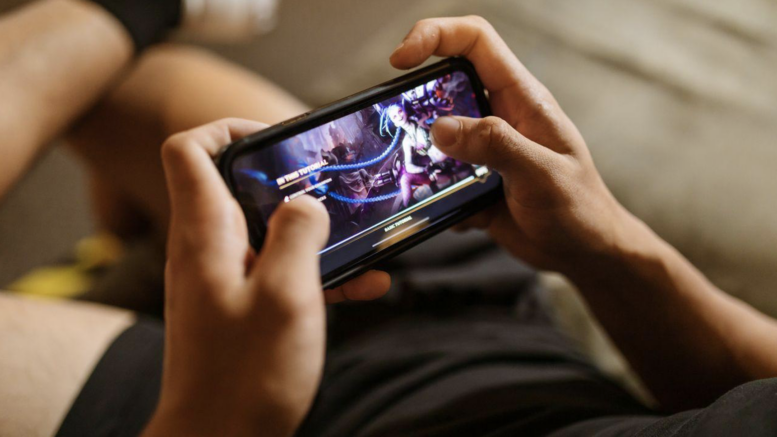
Mobile gaming has gone from something people did to pass time in a waiting room to a full category competing seriously with console and PC gaming in audience size, revenue, and quality.
The technology behind that shift is still moving fast, and what’s coming out of mobile development studios now looks genuinely different from what was possible five years ago. The ceiling keeps moving up.
What’s Actually Driving the Improvement
Mobile app development has matured into a field where the constraints that once held mobile gaming back – limited processing power, small screens, clunky controls – are no longer the defining characteristics they once were.
Modern smartphones carry GPU hardware that would have been directly competitive with dedicated gaming hardware a decade ago, and the software frameworks being built on top of that hardware are increasingly sophisticated.
What that means in practice is games that look, feel, and play in ways that weren’t achievable on mobile a few years back. Ray tracing, dynamic lighting, detailed character animation, persistent open worlds – these are no longer exclusive to the console space at all.
Mobile versions are catching up fast, and in some cases the mobile-native games built specifically for the platform are doing things console ports can’t quite replicate.
The features that mobile development teams are prioritizing right now include:
- Haptic feedback systems – modern haptics go beyond simple vibration, creating tactile responses that correspond to specific in-game events like impacts, terrain changes, or weapon fire
- Adaptive touch controls – control layouts that shift based on what the player is doing, reducing clutter and improving responsiveness in different gameplay contexts
- Cloud gaming integration – streaming components that reduce the hardware burden on the device itself, letting games render more demanding visuals than local processing alone could handle
- Cross-platform progression – shared save states and accounts that let players pick up on mobile exactly where they left off on PC or console
The Accessibility Shift
One of the genuinely significant changes in mobile gaming is what it’s done for accessibility. This doesn’t just mean options menus for colorblind modes or subtitle sizes – it means the device itself is already in the hands of a much broader population than any dedicated gaming hardware ever reaches.
Someone who would never buy a PlayStation or build a gaming PC already has a phone. The install barrier for a mobile game is identical to downloading any other app. That changes who gaming reaches and how quickly a new title can find an audience.
Mobile development teams have also gotten serious about in-game accessibility options. Customizable control schemes, difficulty settings that actually span a meaningful range, text scaling, and audio cues that communicate what visual elements would otherwise convey – these are showing up consistently now in games from studios that treat the mobile platform seriously.
What accessibility looks like in practice across current mobile releases:
- Remappable controls – players can assign any action to any button or gesture rather than working around a fixed layout
- Screen reader compatibility – menu navigation and in-game text readable by accessibility software on iOS and Android
- One-handed mode – full gameplay available without requiring two hands on the device, important for players with physical limitations
- Adjustable game speed – slowing down action sequences for players who need more time to process what’s happening on screen
The Social Layer

Mobile gaming has also led the way in building social features directly into the experience rather than bolting them on afterward. In-game voice chat, real-time co-op sessions, and community features that tie into the game world itself are standard in major mobile releases now.
Part of this is the nature of the device – a phone is already a social communication tool, so the infrastructure for connecting players was already there. Mobile development teams took advantage of that in ways that dedicated gaming hardware took years to match.
Friends lists, party systems, and cross-regional matchmaking are handled more smoothly on most major mobile titles than on many games that launched on consoles in the same period. The infrastructure was already there – mobile development teams just used it properly from the start.
The live service model has also found a natural home in mobile gaming. Regular drops keep the lights on between major releases – seasonal events, limited-time challenges, new story content, the occasional crossover that gets everyone talking for a week.
Communities stay active because there’s always something coming, and the calendar gives players a reason to stay plugged in. Done well, it’s a reason to come back every week without feeling like an obligation.
The studios that have figured out how to balance regular content with manageable monetization are building the healthiest long-term communities right now.
Where This Is Going
The gap between mobile and console gaming will keep closing. Hardware will improve, development tools are getting more powerful, and the studios working specifically in mobile are getting better at what they do.
The players who only game on mobile aren’t missing out the way they might have just a few years ago – and the ones who game across platforms are finding mobile a more consistent part of their rotation.