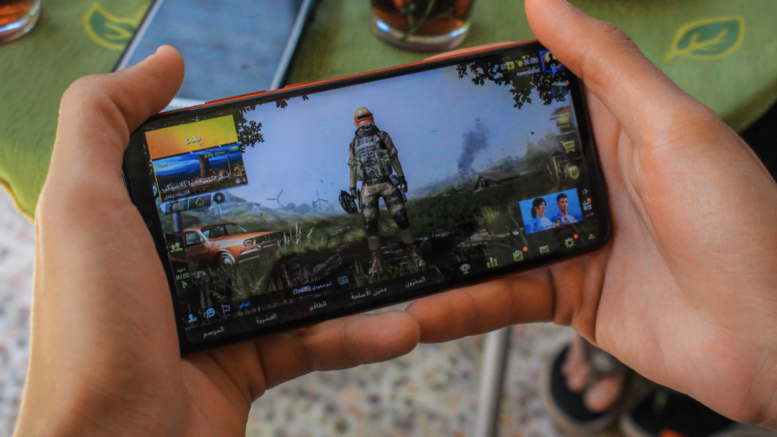
The default gaming device for most people on the planet is now a smartphone. That shift happened gradually, then all at once. What started as a category for snake clones and basic puzzles turned into the largest slice of a $188 billion global industry, and understanding why it got here matters as much as the headline numbers.
The Numbers Make the Case
Mobile gaming generated over $103 billion in 2025, accounting for roughly 55% of all games revenue worldwide. Newzoo’s latest market forecast, covered in detail by PocketGamer, puts the global player base at 3 billion on mobile alone – about 83% of all active gamers worldwide. Console and PC combined came in well below that revenue figure. Those numbers explain why every major publisher now has a mobile strategy, whether they want one or not.
Accessibility Changed Everything
The obvious argument for mobile is that a smartphone is already in your pocket. But the more interesting explanation is that mobile removed the gatekeeping that used to define gaming. You did not need a $500 console, a gaming PC, or a broadband setup. A mid-range Android is enough to run strategy titles, RPGs, and competitive multiplayer games that would have felt at home on a console five years ago.
That accessibility pulled in audiences that traditional gaming never reached. In the US, women now make up 53% of mobile players, according to Sensor Tower. The average mobile gamer globally is 36 years old. These are not demographics that grew up with a controller in hand; they came to gaming through the device they already owned.
Quality Caught Up
For years, the knock on mobile was that the games were shallow. Free-to-play mechanics and energy timers made a lot of early titles feel more like slot machines than actual games. That criticism still applies to the bottom of the market, but the top end looks different now.
Star Wars: Galaxy of Heroes has been running for over a decade with the kind of roster depth and strategic complexity that rivals tabletop games. Marvel Strike Force demands serious planning around faction synergies and resource allocation. These are games where experienced players spend years learning the meta. The fact that they run on a phone is almost incidental.
The Online Platform Connection
The same logic applies to online entertainment more broadly. Players who put real thought and real time into a mobile game tend to be discerning about every other platform they engage with on the same device. That carries over to how they evaluate top online casinos, streaming services, or any platform competing for attention on their screen. Mobile gamers have raised standards because they know exactly what a well-built app can feel like.
Cross-Platform Play Shifted Expectations
One structural change that accelerated mobile’s rise was the normalisation of cross-platform play. Games that let you continue on phone what you started on PC or console stopped treating mobile as a secondary experience. What that means for game accessibility going forward is still being worked out, but the directional shift is clear. Players want their progress to follow them, and developers who ignore that are leaving an audience behind.
Where the Market Goes from Here
Projections put mobile gaming revenue at roughly $107 billion in 2026, which would represent about 52% of the total games market. Growth is real but uneven. Sensor Tower data shows the top 1% of publishers captured 92.5% of in-app purchase revenue in 2025, meaning the ceiling is accessible to very few and most developers are competing for the remaining fraction.
For players, that concentration has a silver lining. Publishers fighting to stay in that top tier are investing heavily in quality, long-term live service content, and cross-platform continuity. The competitive pressure among the big players ultimately raises what the audience can expect from any serious mobile title.
Mobile gaming did not win because it was convenient. It won because it kept getting better while the barrier to entry kept dropping. That combination is hard to compete with, regardless of what platform you are building for.