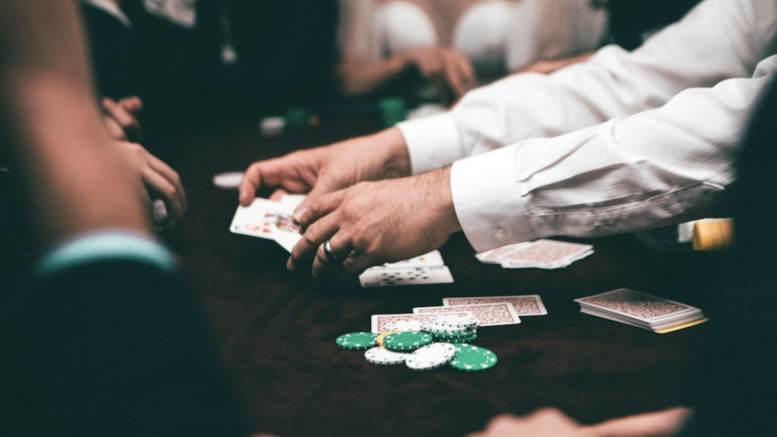
Live casino games feel different the moment they start. There’s a human presence, a pace that can’t be fast-forwarded, and a sense that what’s happening on screen is unfolding whether the player is ready or not. That alone changes how decisions are made. Some players find that grounding. Others feel the pressure immediately. The interesting part is that not all live games push the same psychological buttons. Lightning Storm is a good example of how design choices can quietly guide players toward calmer, more rational decisions without turning the experience dull or clinical.
Why Live Casino Games Feel Different From Regular Online Betting
The biggest difference isn’t the dealer or the camera angles. It’s timing. Live casino games move at a fixed rhythm. The wheel spins when it spins. Bets close when they close. There’s no button to rush things or slow them down. That alone forces the brain to adjust. That shift happens for a few very specific reasons:
- A fixed pace – In live games, the round moves forward whether the player is ready or not. There’s no skipping animations or speeding through decisions, which quietly limits impulsive behavior.
- Decisions – Each betting window is separated by natural pauses. That spacing gives the brain time to process what just happened instead of piling one reaction on top of another.
- Real-time progression – The rhythm feels closer to physical activities where outcomes can’t be rushed. That familiarity makes players more aware of their own timing and reactions.
- Emotional triggers – Standard online formats often reward constant interaction. Live games reduce that noise, making every action feel more intentional.
- Impulsive habits – Without rapid-fire rounds, emotional patterns stand out. Players notice when they’re betting out of routine rather than reasoning.
The Mental Noise Players Bring Into Live Betting
Most players don’t arrive at a live table with a clean mental slate. They bring expectations, recent wins or losses, and often the quiet urge to do something every round – a mindset that shows up clearly in fast-paced formats like the Lightning Storm game. Live formats can amplify that urge because the stakes feel more immediate.
This is where many games accidentally create friction. When too much is happening at once, the brain fills the gaps with emotion. Players start reacting instead of deciding. The result isn’t reckless behavior every time, but a steady drift away from clarity.
Why Simpler Game Structures Reduce Cognitive Overload

Human attention is limited, especially under mild stress. The more options, side bets, animations, and signals appear on screen, the harder it becomes to process what actually matters. Complex systems don’t feel complex at first. They feel exciting. The cost shows up later as fatigue.
Games with simpler structures give the mind room to breathe. Fewer decisions mean each one carries more intention. Instead of constantly scanning the interface, players settle into a rhythm. That rhythm matters more than most people realize.
Lightning Storm as a Case Study in Controlled Decision-Making
Lightning Storm builds on classic roulette, which already has a familiar logic for most players. There’s no need to learn a new system or decode unfamiliar rules. The twist comes from the lightning multipliers, but even those follow a clear, visible process.
What stands out is how little guesswork is involved. The game doesn’t pretend the player can outsmart the system in real time. The wheel spins. The numbers land. Multipliers appear according to rules that are shown, not hidden. That transparency removes a common psychological trap: the belief that one more adjustment or last-second decision will change the outcome. When players know what they can and cannot influence, they tend to act more deliberately.
The Role of Visual Signals and Timing in Rational Choices
Visual design often gets blamed for overstimulation, but it can also do the opposite. In Lightning Storm, the lightning effects are dramatic, yet predictable. They appear at specific moments, not randomly. That predictability matters.
Clear timing cues tell the brain when to pay attention and when to relax. Betting windows open and close in a steady pattern. There’s no sudden rush that forces snap decisions. Players aren’t nudged to chase momentum because the game doesn’t fake urgency.
This structure helps players pause naturally. Pauses are where rational thinking happens.
When Transparency Actually Calms the Player
Many live games rely on spectacle to hold attention. They hide mechanics behind flair, which can make outcomes feel mysterious or unfair. Lightning Storm takes a different route. The process is visible. The rules don’t change mid-stream.
That clarity reduces suspicion and second-guessing. Players spend less time wondering whether they missed something and more time simply observing. Observation, not reaction, is the foundation of rational play.
Interestingly, this doesn’t make the game less engaging. It makes it easier to stay present without feeling on edge.
What This Says About the Future of Live Casino Design
Lightning Storm hints at a broader shift in how live casino games are being designed. Instead of chasing constant stimulation, some developers are starting to pay attention to how players actually process information during a session. That direction shows up in a few clear design priorities:
- Predictable pacing – Fixed rhythms help players stay oriented. When rounds follow a consistent flow, decisions feel deliberate rather than rushed.
- Clear systems – Games that show how outcomes are formed tend to reduce suspicion and second-guessing. Transparency lowers mental tension.
- Visual drama – Effects and animations aren’t just decoration. When they appear at meaningful moments, they guide attention instead of distracting it.
- Higher intention – Reducing unnecessary interactions makes each decision feel more conscious. Players act because they choose to, not because the interface nudges them.
Conclusion
Players often get blamed for impulsive behavior, but the environment shapes far more than most people admit. Live casino games that respect timing, transparency, and cognitive limits make rational decisions easier without turning play into a lesson.
Lightning Storm shows how subtle design choices can change the tone of an entire session. Not by telling players what to do, but by giving them space to think. Sometimes, that’s all it takes.