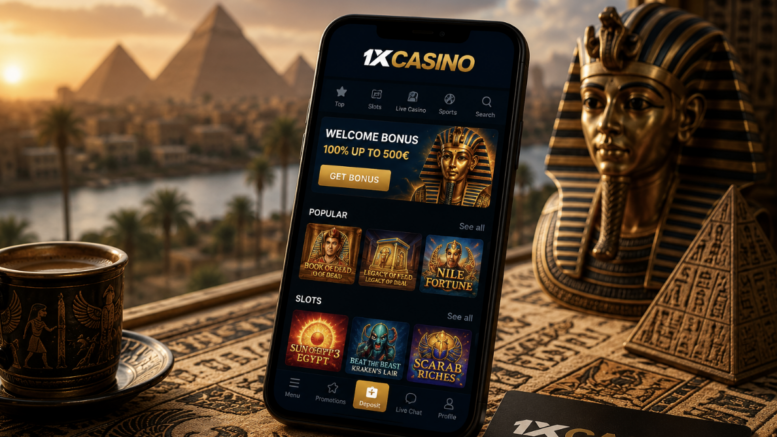
Players don’t return to slots because of themes or graphics. They return because the game rhythm matches how they want to play. Some styles hook attention better than others, and in markets where mobile sessions dominate, like Mobile Gaming in Egypt, these preferences become even sharper.
Simplicity Wins on Small Screens
The slots that stick around in mobile rotation tend to share one trait: you understand the core mechanic within five spins. Boxing King Slot follows this pattern. Single-screen gameplay, clear win indicators, no nested bonus games that require tutorial pop-ups. Players on phones don’t have patience for complexity, especially during short sessions between activities.
Three-reel classics get dismissed as outdated, but they keep pulling players back for exactly this reason. The action stays visible. You don’t need to track multiple features or remember what triggered during the last session. When someone has ten minutes on a commute, this directness matters more than elaborate animations.
Cascading Mechanics That Feel Active
Games where symbols drop and clear, then new ones fall to potentially create chains, create a different engagement pattern than standard spin-and-stop slots. The difference isn’t just visual. Each spin feels like it could keep going, which changes how players perceive value. A single bet can generate multiple wins before the round ends.
This style works particularly well on mobile because the cascading action fills the screen with movement. On desktop, the same mechanic can feel small or cramped. On a phone held vertically, those dropping symbols take up your entire field of view. The format amplifies the mechanic instead of fighting against it.
Progressive Multipliers That Build Predictably
Bonus rounds with escalating multipliers that don’t reset between wins have quietly become one of the stickiest features in mobile slots. Players stay because they can see the value building. Even dead spins during the feature don’t feel completely wasted when the multiplier holds at higher levels.
This creates a different type of session pacing. Instead of hoping for one massive hit, players get incremental progress. The structure feels less random, even though the RNG hasn’t changed. It’s the visibility of progression that matters. When players can track something building, they’re more likely to complete the feature rather than close mid-bonus.
Audio That Doesn’t Announce You’re Playing
Slot styles that use deeper, bass-heavy sound design instead of high-pitched jingles have an advantage in mobile contexts. Players keep their volume low in public spaces, and games that work at those levels stay in rotation longer. The subtle difference between a slot you can play on the bus versus one that requires headphones affects repeat play more than most developers realize.
The slots players return to aren’t necessarily the flashiest or newest. They’re the ones that fit into actual playing conditions without friction. Clear mechanics, mobile-optimized formats, and design choices that respect where and how people actually play. These patterns hold across markets, but they become especially visible where mobile is the primary gaming device and sessions happen in fragments throughout the day.




Be the first to comment on "Popular Slot Styles Players Keep Coming Back To"