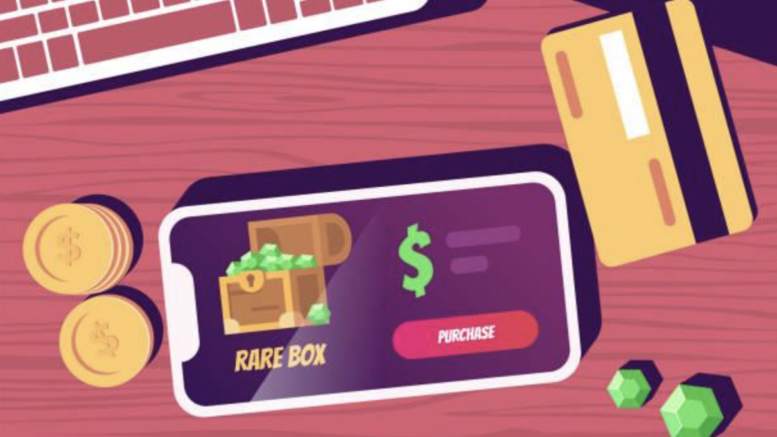
You tear open a pack, catch a flash of gold at the edge of the animation and then it lands on something forgettable. Your gut says the next one’s got to be the good one. I’ve been there more times than I’d like to admit. But that feeling isn’t luck turning your way, it’s your brain misreading how randomness works. Loot boxes and online pokies run on pretty much the same maths and once that clicks, both start looking very different.
What Random Actually Means
Most of us picture randomness as something that balances itself out. Flip a coin, land five heads in a row and the sixth flip feels like it should be tails. It isn’t. Every flip stands alone. The coin doesn’t remember a thing.
Random number generators or RNGs, are built on exactly that idea. Each spin on a pokie and each loot box you crack open is a brand new draw. The system has no clue you’ve gone 40 pulls without a rare drop. Wouldn’t care if it did.
Think about the lottery. Nobody sane believes a number is “due” because it hasn’t shown up in months. Yet plenty of people feel that way about a loot crate. I’ve lost count of the forum threads where someone insists their luck “has to turn soon” after a dry run. That’s the gambler’s fallacy, plain and simple, just wearing a gaming hoodie.
The Near-Miss Trick
Now this is where it gets interesting. Near-misses are among the most studied things in gambling psychology and once you know what to look for, you’ll spot them everywhere.
Ever had a scratchie where two of the three symbols matched? Or a fitness app telling you that you finished 200 steps shy of your daily goal? Both give you a little nudge to go again, even though nothing about your next attempt is any better than the last.
Slots lean on this deliberately. Two jackpot symbols land on the reels and the third sits one notch above the payline. Loot systems pull a similar stunt, with animations that slow down and hover over a rare tier before dropping onto a common item. Research keeps showing that near-misses light up the brain’s reward pathways in much the same way real wins do. That’s why they sting and why they pull you back in.
Here’s the kicker, though. The result was locked in the moment you pressed the button. The spinning reels, the dramatic slowdown, all of it’s just theatre.
Spotting the Patterns That Aren’t There
We’re wired to find patterns. It kept our ancestors alive and it’s the reason we see faces in clouds. But it also trips us up around random systems.
A few illusions crop up in both loot boxes and casino games:
- Hot and cold streaks. Players decide a machine or a crate pool is “running hot” after a couple of good results.
- Timing rituals. Opening boxes at a certain hour or hitting spin at some particular moment, as if it’ll sway the draw.
- Pity timers mistaken for fairness. Some games guarantee a rare item after a set number of tries and people assume every random system works like that.
- Sunk cost thinking. After spending a lot with nothing to show for it, walking away feels like throwing it all out.
Truth is, none of these shift the odds. Regulated pokies in Australia are tested to confirm outcomes are independent and match their published return to player, usually sitting somewhere between 85 and 96 percent depending on the venue or game. But that number plays out across millions of spins. Not your next twenty.
Where Regulation and Responsibility Come In
Australia has taken gambling seriously for a long time and the loot box debate has nudged regulators to look at similar mechanics in video games. Belgium and the Netherlands went as far as banning certain paid loot boxes and Australia’s classification system now flags games with simulated gambling content. Good move, I reckon. The mechanics really are close cousins.
For anyone who does enjoy casino games, the sensible approach is to treat them as paid entertainment, not a strategy. Sticking to licensed platforms matters and so does reading independent feedback. An operator like Sun Vegas Casino is the kind of name worth checking through real user reviews before you deposit a cent, because how open a site is about its terms and payouts says a lot.
A few habits that genuinely help:
- Set a deposit or spending limit before you start and hold yourself to it.
- Check the published RTP of whatever game you’re playing.
- Take regular breaks, since near-miss effects hit harder the longer you stay in.
- Never chase losses, whether that’s cash or a pile of in-game currency.
Looking Ahead
The line between gaming and gambling is only going to blur further and I’d bet more regulators end up treating them as one conversation. For players, the best protection is just understanding what’s going on. Randomness has no memory. Near-misses are built to feel meaningful. And streaks? Those are stories we tell ourselves. Keep that in your back pocket and you can enjoy the experience without letting it run the show.



Be the first to comment on "Loot Boxes and Slots Share the Same RNG Truths"