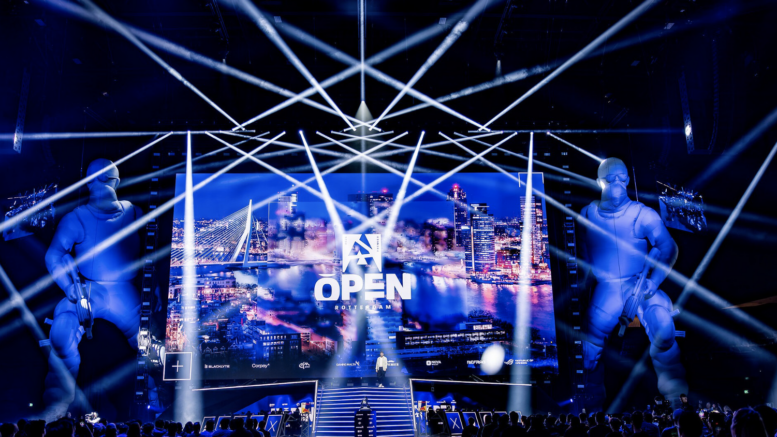
Professional CS2 has a scheduling problem, and it’s not on the organizers’ end. Dozens of tournaments run across the calendar year, spread across multiple regions, often overlapping, and sometimes announced only weeks before they start. If you follow the scene seriously, you already know the feeling of checking X (Twitter) on a Monday and realizing a major qualifier wrapped up over the weekend without you catching a single match. Keeping up takes actual effort, and the fans who do it well have systems, not luck.
Start with an official tournament calendar
The single most reliable thing you can do is anchor yourself to a structured source of event data rather than assembling fragments from social media. Most fans underestimate how much they miss simply because they’re not looking in the right place. Checking the cs2 tournament schedule on a dedicated esports tracking site gives you a full picture of what’s coming, including regional qualifiers, online leagues, and LAN events that wouldn’t make headlines until the bracket stage. Without that overview, you’re reacting to events rather than anticipating them.
This matters more than it sounds. A lot of the best storylines in CS2 come from qualification runs, and those matches happen weeks before the main event reaches streaming platforms. If you’re only showing up when Blast or ESL puts out a broadcast, you’ve already missed half the context. The player form, the team momentum, the upsets that reshaped the bracket — all of that is already history by the time the group stage goes live on Twitch.
Sites like HLTV aggregate tournament data across tiers and regions in one place, which makes them more useful than following five separate organizer pages. Spend ten minutes at the start of each month going through upcoming events, noting which ones matter to you, and you’ll rarely be caught off guard again.
Use calendar apps the way organizers don’t expect you to
Esports sites are good for discovery. Calendar apps are good for not forgetting. Once you’ve identified events worth following, manually adding them to Google Calendar or Apple Calendar with proper time zone settings takes about two minutes and saves you from the 11pm realization that the match started at 9. Set a reminder 30 minutes before broadcast, not just on the day itself.
For fans who follow multiple teams across different tournaments, color coding by team or tier level helps a lot. A red entry for a Major, a yellow one for an ESL Pro League group stage match, and a grey one for a qualifier you might skip unless the bracket gets interesting. It sounds tedious until the first time it keeps you from missing a Grand Final.
One detail that trips people up: CS2 events run across time zones that shift depending on whether the LAN is in Europe, North America, or Asia. An event in São Paulo plays at completely different local hours than one in Copenhagen. The fix is simple — always convert to your local time when creating the calendar entry, not when the match is about to start.
Follow the right accounts on the right platforms
Not all CS2 social media accounts are worth your attention equally. Official tournament accounts from PGL, Blast, and ESL post schedule updates reliably, but team accounts are inconsistent. Some organizations announce match times on X, some push everything through Discord, and a few still rely on their website’s news section for broadcast links. Finding out which channels each team actually uses is a one-time cost that pays off across an entire season.
For real-time match alerts, tools like HLTV’s match notification system or third-party Discord bots tied to HLTV’s API are genuinely useful. You configure them once, and they handle the rest. Some community Discord servers have dedicated match alert channels that are more reliable than official social posts, especially for regional circuits where organizer communication is inconsistent at best.
It’s also worth separating your information streams by purpose. Use X or Bluesky for breaking news and roster moves. Use Discord for match alerts and community reaction. Use HLTV for pre-match analysis and post-match stats. Trying to do all of that in one feed — especially on X — means the match schedule gets buried under hot takes and memes before you can act on it.
Prioritize ruthlessly or lose everything
The honest problem with following pro CS2 is scope. The circuit now includes enough events that trying to watch everything would require treating it as a second job. Fans who burn out on the scene usually do so because they set an implicit goal of following everything and then feel guilty when they miss something. That guilt is misplaced. No one watches every match, including people who cover the scene professionally.
Pick a tier. If you care about CS2 at the highest level, focus on Majors, Major qualifiers, and the top-tier invitational events. Everything below that can be background noise you dip into selectively. If you follow a specific team closely, invert the priority and track their schedule rather than the full circuit. Both approaches work. The important thing is that you’ve made a choice rather than trying to stay on top of a volume of content that’s designed to be produced in aggregate, not consumed in full.
There’s also a practical case for watching VODs instead of live broadcasts when the schedule genuinely doesn’t work for you. Missing a live match isn’t the same as missing the match. HLTV archives demos, Twitch saves past broadcasts, and YouTube channels like ESL and Blast upload full match VODs within hours. Building a short watchlist of matches you didn’t catch live and clearing it over the weekend is a completely valid way to stay current without rearranging your schedule around every map.
Conclusion
There’s no perfect system for following professional CS2, and anyone promising one is probably selling a dashboard subscription. What actually works is a combination of a reliable schedule source, a personal calendar, clearly separated information streams, and a realistic sense of which events you actually care about. The fans who never miss what matters aren’t watching more content — they’re making deliberate choices about what earns their time. In a scene that runs year-round with no real offseason, that’s the only sustainable way to stay engaged without eventually tuning out entirely.