Understanding RTP and Volatility in Digital Slot Games
Mobile slot games are more than colorful reels and sounds; the real action happens behind the scenes through complex mathematics. Learning concepts like Return to Player (RTP) and volatility is key to interpreting how fairness and feel work in digital slots. Noticing these mechanics gives players context for every spin and shapes smarter gaming choices.
Digital slot games rely on programmed systems to determine fairness and excitement, making terms like RTP and volatility directly relevant to anyone playing on a smartphone or tablet. Mobile gamers often notice that two slots can feel different despite similar appearances, and that experience is rooted in the mathematics behind their design. When looking for new games, a list of megaways slots often shows how diverse mechanics and payout structures can exist within the same category. Knowing these aspects improves your appreciation for slot experiences and helps you see why some games feel steady while others produce streaky highs and lows.
How mathematical fairness drives every slot spin
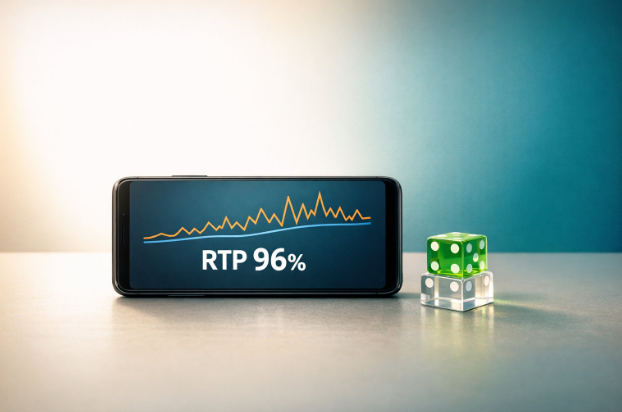
Return to Player, or RTP, expresses the percentage of all wagered money a game returns to players over the long run. For example, if a slot has an RTP of 96 percent, it is designed to pay back about ninety-six units out of every hundred staked over many spins. However, this does not mean an individual player will receive exactly that amount back in a short session; RTP is a long-term measure and individual results can vary widely. Slot developers publish this value for disclosure and to meet regulatory requirements in some jurisdictions.
While RTP tells you about long-term return, it does not account for your immediate playing experience. Some slots pay out more frequently in small amounts, while others rarely hit but offer larger wins. This distinction is described by volatility, which shapes the rhythm and feel of a slot game. Many digital slots are classified as low, medium, or high volatility, with each category exhibiting distinct patterns of risk and reward.
Why volatility shapes excitement along with session outcomes
Volatility influences whether a slot game delivers frequent, modest payouts or rarer, larger wins. Low volatility slots provide more frequent smaller returns, allowing a session to last longer on the same bankroll, though prizes are less dramatic. High volatility designs carry more risk; the game may have longer losing streaks, but rewards can be higher. Medium volatility slots balance both extremes, interesting to those who want steady participation and the chance of bigger wins.
This spectrum explains why slot experiences can differ: slow-building sessions with occasional larger wins, or more consistent minor wins that keep the action moving. Payout tables, feature triggers, and bonus rounds are tuned to add to a game’s volatility profile. Lists of megaways slots also show how certain mechanics can produce uneven results, as variable reel structures increase possible outcomes and contribute to more unpredictable play, while each spin remains independent.
Common myths about slot statistics and real play
It is important to understand that a higher RTP does not guarantee better short-term results. Many players mistakenly believe a small difference in RTP directly affects every session, but the effect is meaningful only over long sequences of play. Similarly, volatility is sometimes misinterpreted as a sign that slot outcomes are rigged or the game is too difficult, when it actually describes the intended pattern of wins and losses. Knowing the role of RTP and volatility helps you manage expectations and shows that skill generally plays no part in standard slot spins.
When exploring different games, matching volatility to your play style can make gaming more enjoyable. Players who prefer casual, extended sessions may favour lower volatility titles, while those who prefer higher variance may prefer higher volatility games with larger possible winnings. Becoming familiar with systems like RTP and volatility is useful beyond slots, as it helps you understand probabilities and reward structures in many contemporary mobile games.