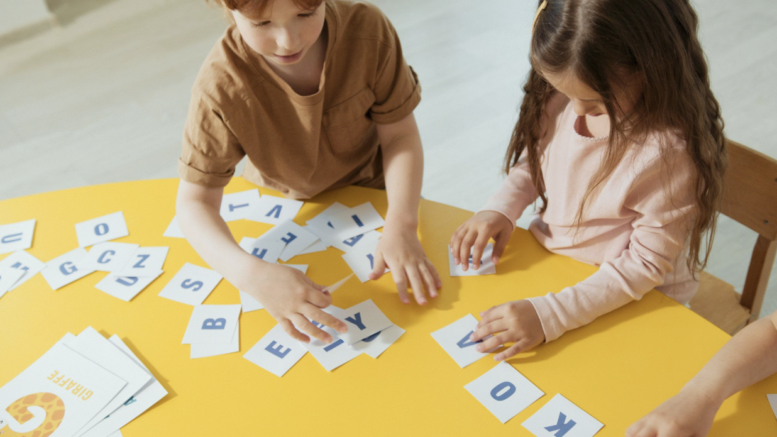
A classroom word game can become tense long before anyone raises the volume. The trigger often comes from timing, not competition itself. When one player answers quickly, another player can lose the chance to process the same clue. Sound buttons can change that rhythm by separating recognition from response.
A short, consistent audio cue can mark a turn, confirm an answer, or signal a round without forcing players to race through every decision. The sharper design question is how much control sound buttons should hand to speed versus accuracy. Competitive pressure rises when sound rewards speed alone. A better soundboard rewards accurate participation while keeping the pace predictable.
Why Timing Beats Volume When Competition Escalates?
In practice, timing shapes perceived pressure more directly than raw loudness; a five-second buzzer feels tenser than one loud one-second click. Sound buttons create temporal boundaries that visual cards often leave ambiguous. A practical game can use a 1-second start cue, a short confirmation cue, and a silent reset period. The reset period matters because continuous audio keeps attention locked onto the competition even after a round ends.
The FCC documents a 24-hour audio spot-check procedure for broadcast loudness monitoring, showing how professional audio workflows treat consistent level measurement as a technical task rather than a matter of taste. The classroom does not need broadcast metering, but creators can borrow the principle: consistent output prevents unexpected volume spikes from becoming part of the competition.
How Do Sound Buttons Control Competitive Pressure?
Sound buttons regulate competitive pressure through three specific timing cues: round start, correct-answer confirmation, and turn close. A button can mark the start of a round, identify a successful response, or close a turn. That separation gives word games a measurable rhythm without making every second feel like a countdown.
According to SoundButtonsLab.com, a browser-based soundboard library organizes prerecorded clips by category; that structure matters because consistent categories reduce search time when several audio cues appear during one game. A classroom board should therefore assign one function to each button rather than scatter novelty sounds across the interface.
The strongest setup keeps sound audible enough to guide play without turning every cue into a competitive spike. A single confirmation sound can acknowledge a correct word without humiliating a slower player. A neutral transition sound can also prevent overlapping answers from turning into an argument over who responded first.
What Button Design Gets Right That Buzzers Get Wrong?
Physical buzzers reward reaction speed. Sound buttons can reward rule recognition instead.
Fixed Cues Reduce Decision Load
A fixed cue gives each event one meaning. When the same sound always marks a correct answer, players stop interpreting the interface and return attention to the word itself.
Short Clips Preserve Turn Ownership
Long effects steal attention after the relevant event ends. A short, clipped confirmation sound stays in the background so it never outlasts the moment it’s marking.
Silence Can Protect Slower Players
A deliberate silent interval prevents rapid-fire triggering from dominating the room. Silence creates processing space without removing competition.
Do Louder Cues Create Stronger Engagement?
A persistent soundboard myth claims louder cues create stronger engagement. Meme-audio culture reinforces the idea because exaggerated volume and dramatic effects often generate the immediate reaction that makes a clip memorable. Classroom games need a calmer sound hierarchy, cues that guide play instead of competing for the loudest reaction.
The Library of Congress maintains more than three million recorded-sound items, covering formats from cylinders and discs to tapes and digital files. That scale illustrates a useful production lesson: audio systems depend on controlled recording and playback conditions, not merely conspicuous effects.
Creators should normalize clips before deployment, trim dead air, remove unnecessary low-frequency rumble, and match perceived loudness across buttons. A 200-millisecond click and a 3-second air horn should never compete for the same functional role. The deeper myth concerns memorability. Distinctiveness does not require aggression. A clean tonal marker can remain recognizable after repeated rounds without forcing every player to brace for the next sound.
How Do Scoring Rules Keep Audio Competition Fair?
Sound buttons influence competition most effectively when scoring rules separate correctness from reaction time. A word game can award the main point for an accurate answer while reserving a smaller bonus for the first valid response. That structure changes the incentive: fast players still gain an edge, but slower players keep a real path to the score.
Use One Audio Event Per Rule
A correct-answer button should only ever confirm a correct response, nothing else. A timer cue should signal how much time is left, not double as a scoring signal. A reset sound should close the round. Mixing those meanings makes the interface harder to interpret.
Cap Rapid-Fire Bonuses
A scoring system can limit speed bonuses to one per round. The cap prevents repeated button activation from becoming the dominant strategy.
Give Wrong Answers No Humiliating Cue
A comic buzzer can turn an error into a public event. A neutral correction tone keeps the mistake inside the game mechanic.
The Copyright Office identifies four fair-use factors, including purpose, nature, amount, and market effect. Educational intent therefore does not automatically clear every sound recording for classroom use. Game creators should prefer original recordings, public-domain material, or properly licensed clips.

Why Audio Quality Matters Less Than Cue Consistency?
High-resolution audio rarely solves a classroom game problem. Cue consistency solves one. A creator gains more from matching levels, trimming silence, and avoiding clipping than from chasing extreme sample rates.
Creative Commons reported more than 1.4 billion openly licensed works, showing the scale of material available under standardized sharing systems. Sound creators still need to check the specific license attached to each recording because license conditions can differ. The practical target remains simple: identical playback behavior for identical game events.