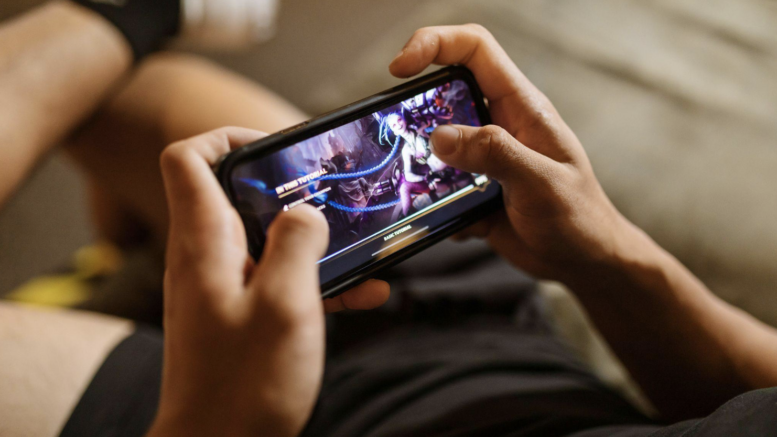
Many football fans start the week on their phones well before kickoff. A mobile game usually opens first, already loaded with a favorite roster, a rival guild, and the daily tasks that reset overnight. NFL news now arrives in that same stream of taps. From that angle, the Super Bowl reads as a storyline that runs from September to February, with every week adding a chapter.
Gaming apps have also taught a generation of fans to think in numbers, lineups and matchups. That habit pays off once the real schedule gets crowded and the national conversation shifts to playoff seeding, trade rumors, and Super Bowl odds.
Second Screens Have Become the First Screen for NFL Fans
For many fans, the phone now sets the pace of the whole broadcast. A typical Sunday involves a quick game session during a commercial, a news feed at the two-minute warning, and a group chat the moment a star player limps off. Mobile games teach exactly that tempo, with short sessions, fast decisions and a scoreboard that refreshes mid-play.
NFL coverage has adjusted to the same rhythm. The official league site and team apps push schedules, standings and highlights into vertical clips, live stat widgets and win probability charts sized for a phone held in one hand.
How Mobile Gaming Habits Shape the Way Fans Track the Season
Two habits carry over from gaming apps to football more than any others. The first is the rhythm of returning to the same screen at set points in the week, and the second is comfort with ratings, roles, and numbers that would look like jargon to a casual viewer.
Daily Logins and Weekly Rhythm
Most mobile games reward steady attention. Star Wars: Galaxy of Heroes, for example, splits each monthly login character into shards handed out across the calendar, so the payoff builds for players who show up every day. An NFL week runs on almost the same clock. Monday belongs to reaction, Tuesday and Wednesday bring injury reports and practice notes, Thursday has a game, and Sunday carries the main slate. Fans who already live inside a weekly gaming loop slip into the football loop without much effort.
Stat Literacy From Roster Builders
Squad builders, hero collectors, and manager games ask players to compare ratings, roles, and character combos before every battle. After months of weighing attack against defense values, a real NFL stat line reads far more easily. Yards per attempt, EPA, pressure rate and red zone efficiency become familiar tools for sizing up a quarterback or a pass rush.
Where Gaming Apps Meet NFL Markets
A fan who reads ratings in a mobile game tends to read betting markets the same way: as a set of numbers that reflect how the field is judged at a given moment. Plenty of fans never place a wager and still treat the market as another scoreboard, one that updates between games and shows which teams sit near the top of the board and which ones are sliding.
Futures boards across the market share a similar format, and the Super Bowl odds posted at https://www.betnow.eu/super-bowl-betting/ read much like a leaderboard in that sense, with short odds for the teams near the top and long ones for clubs still trying to prove their case.
Those numbers move for the same reasons a game meta shifts. An injury, a trade, or a surprise loss can push a team up or down the board within hours. For most fans, the market serves as one more data feed beside injury reports and depth charts, read for information and set aside when the phone goes back in the pocket.

How to Read the Road to Super Bowl LXI Through an App
Super Bowl LXI is set for February 14, 2027, at SoFi Stadium in Inglewood, California, which gives the 2026 season a fixed finish line. The NFL trade deadline each November is the first big checkpoint on that road, since contenders use it to add a pass rusher or a safety while sellers move veterans for draft capital. Once that window closes, rosters are set for the stretch run, and the futures lines usually tighten.
By December, the playoff bracket begins to take shape, and Super Bowl 2027 predictions start to lean on actual records. Bye weeks, strength of schedule, and head-to-head tiebreakers decide most of the close races, and the math shifts every Sunday. A single upset can reshape the seeding picture in both conferences, and the weekly standings usually reflect that shift within hours of the final whistle.
Once the conference title games settle the matchup two weeks out, every app narrows its focus to a single game. This year’s calendar stands out too, since Super Bowl LXI lands on Valentine’s Day and will be the first played over Presidents’ Day weekend. For fans who followed the whole season on a phone, that final week fits on the same home screen as the games that started the habit.
Keep the Season Fun Between Sessions
Mobile games and weekly NFL broadcast slate both compete for attention, and together they can quietly swallow a week. Fixed windows for score checks, muted push notifications during work hours, and a phone left face down at the dinner table are small habits that keep the season enjoyable for the long haul.
The same discipline applies to anything with a cost attached. In-game purchases, streaming subscriptions, and any money put on a game work best with a set monthly budget, treated as part of an entertainment spend.
What the Rest of the 2026 Season Will Show Fans
The back half of the 2026 season will sharpen almost every storyline that mobile apps have tracked since September. MVP talk will narrow to three or four names, and division races in the AFC and NFC will come down to short weeks, late byes, and a handful of head-to-head results.
As the playoff field settles, the list of Super Bowl contenders will shrink to a handful of teams with a real path to Inglewood. Fans who spent the season moving between mobile games and stat pages will reach Super Bowl Sunday with a picture they assembled one tap at a time.




Be the first to comment on "From Mobile Games to the Super Bowl: How Sports Fans Use Gaming Apps to Follow the NFL Season"