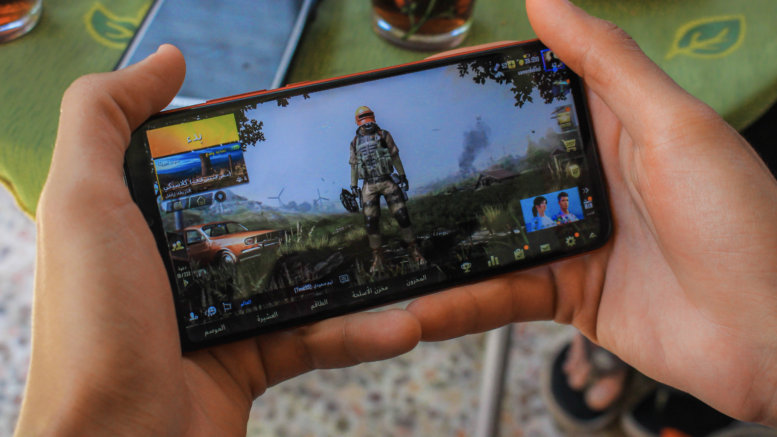
A phone feels like the ultimate personal gaming device. There is no television to negotiate over, no second controller to find and no need to arrange an evening around somebody else. You can pull it from your pocket for ten minutes and disappear into a game.
That sense of independence only tells part of the story. In many of today’s biggest mobile games, what happens next can depend on somebody playing miles away. Your characters may belong to you, but another person’s decisions can influence your rewards, your timing and even what you do next.
Your Roster Only Gets You So Far
Star Wars: Galaxy of Heroes is a useful place to see the difference. The game celebrated its tenth anniversary in 2025, and its decade-long evolution has brought guild systems and large-scale modes alongside the familiar business of collecting and developing characters.
That longevity gives the social side an extra dimension. A guild can contain people who have spent years developing their accounts alongside one another, sharing raid victories and adapting as new modes arrive. For a game launched in 2015, the relationships formed around those systems can end up lasting far longer than the characters or strategies that first brought somebody in.
Territory Battles put that collective element into the rules. EA explains that guild members use their rosters to earn Territory Points, with the eventual rewards determined by the total number of stars the guild achieves. Everyone who participates receives the same reward.
That changes how you look at a carefully developed roster. A strong squad can win its assignment, but the final return also reflects what happened elsewhere on the map. Guild chat even becomes a strategic tool as members decide where units and attention are best used.
The Game Doesn’t Always Wait for You
Mobile games have always had convenience on their side. Marvel Strike Force’s Alliance War introduces a competing demand: coordination.
Scopely describes Alliance War as a 24-hour battle between two alliances. One side attacks the other’s Helicarrier defenses while protecting its own. Participation therefore has a clock attached to it, and other members have plans of their own.
You might open the game on a train or find half an hour after dinner. Your alliance, meanwhile, might need an attack in a specific location. The phone still lets each member play from wherever they happen to be, but the group objective creates a timetable that a solo campaign never would.
There is a subtle difference here. The social part of a mobile game does not have to mean chatting constantly or knowing everybody’s real name. Sometimes cooperation is visible in nothing more glamorous than somebody doing their job before the timer runs out.
Another Person Doesn’t Have to Be Your Opponent
Mobile games have also loosened the definition of what it means to play with somebody else. The person affecting your experience may never speak to you. You might encounter a defense they arranged hours earlier or contribute separately toward a target neither of you could reach alone.
That leaves plenty of territory between playing alone and conventional multiplayer competition. Other areas of online gaming have explored the same territory in their own way. Live casino is an unusual case because the other person on screen is neither teammate nor opponent. NetBet, through its Irish live casino section, for example, includes mobile blackjack, roulette and baccarat tables conducted by live dealers.
The distinction is important. The dealer runs the table and communicates with participants, but the game remains governed by its rules rather than a contest to outthink the person dealing the cards. Compare that with an Alliance War, where another person’s decisions can directly create the problem you have to solve.
When a Game Starts Expecting You to Turn Up
The Entertainment Software Association’s 2026 US research gives some sense of how far these connections can travel beyond the game itself. Nearly half of players credited gaming with helping them maintain ties with friends and family. Another 47% said they had encountered people through games they would never otherwise have met.
Those connections can also alter the surprisingly simple decision of whether to open an app tonight.
Leave a single-player mission unfinished and it will usually be waiting tomorrow. A guild event can carry a different weight when other members are contributing toward the same outcome. Nobody needs to send an angry message for that sense of responsibility to exist. Knowing that your absence affects a collective effort can be enough.
That tension helps explain the pull of social mechanics in mobile play. They can give an achievement a life beyond your own account, although they can also turn a casual evening into something that feels faintly like an appointment.
The phone remains personal. The experience on its screen can belong to a whole group.